
Check a Website's HTTP Security Headers
Fetches the page and grades Content-Security-Policy, Strict-Transport-Security, X-Frame-Options, X-Content-Type-Options, Referrer-Policy, Permissions-Policy, the cross-origin isolation headers, cookie flags and CORS.
Public hosts only. About a handful of requests, usually finished in under 15 seconds. How we scan · Acceptable use

How it works
Enter the URL
We fetch it with a browser-like request and follow redirects.
Headers are parsed, not just spotted
A CSP with 'unsafe-inline' or an HSTS max-age of a day is flagged as weak, not passed.
Copy the fix
Each finding includes ready-to-paste values for nginx, Apache and common frameworks.
What this tool checks
29 checks across 3 areas. Each links to its reference page with the test, the risk and the fix.
Cookie security
4 checksHTTP security headers
13 checksTransport security (HTTPS / TLS)
12 checksThe ones that most often decide the grade:
Guides for this tool
Background reading written to go with these results.
 9 min read · Updated Sep 15, 2026
HTTP Security Headers Explained: Every Header, What It Blocks and How to Set It
9 min read · Updated Sep 15, 2026
HTTP Security Headers Explained: Every Header, What It Blocks and How to Set It
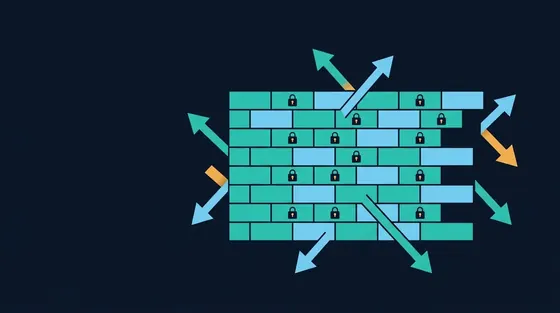
Security headers are instructions a server sends the browser to switch on protections: Framing, MIME sniffing, referrer leakage, script...
Read the guide 9 min read · Updated Sep 16, 2026
Content Security Policy (CSP): A Practical Guide to Writing One That Works
9 min read · Updated Sep 16, 2026
Content Security Policy (CSP): A Practical Guide to Writing One That Works
A Content Security Policy tells the browser which scripts, styles and resources a page may load, which defeats most cross-site...
Read the guide 8 min read · Updated Sep 17, 2026
HSTS Explained: Strict-Transport-Security, Preloading and the Downgrade Attacks It Stops
8 min read · Updated Sep 17, 2026
HSTS Explained: Strict-Transport-Security, Preloading and the Downgrade Attacks It Stops
HTTP Strict Transport Security tells the browser to never load a site over plain HTTP again. The header, max-age and includeSubDomains,...
Read the guide 8 min read · Updated Sep 14, 2026
Clickjacking Explained: How Invisible Frames Hijack Clicks and How to Prevent It
8 min read · Updated Sep 14, 2026
Clickjacking Explained: How Invisible Frames Hijack Clicks and How to Prevent It
Clickjacking loads your site invisibly inside an attacker's page and tricks users into clicking buttons they cannot see. The attack,...
Read the guide 8 min read · Updated Sep 05, 2026
Cookie Security Flags: Secure, HttpOnly, SameSite and Cookie Prefixes
8 min read · Updated Sep 05, 2026
Cookie Security Flags: Secure, HttpOnly, SameSite and Cookie Prefixes
A session cookie without the right flags can be stolen over HTTP, read by injected script or sent in a forged cross-site request. Each...
Read the guideFrequently asked questions
Which header matters most?
Content-Security-Policy, because it defeats most cross-site scripting, followed by Strict-Transport-Security. The rest are quick wins.
Why did my CSP get flagged even though it exists?
A policy that allows 'unsafe-inline' in script-src, wildcards, or omits object-src and base-uri leaves the main attack paths open. The report says which directive.
Do I need Permissions-Policy on a plain content site?
It costs nothing and disables camera, microphone and geolocation for any script that ends up on your page, including injected ones.
Is X-XSS-Protection still useful?
No. Browsers removed the auditor it controlled; set it to 0 or omit it and use a CSP.